Everything changed for Bob in a moment he never saw coming. Active and deeply connected to his work and volunteer efforts, he was diagnosed with prostate cancer while far from home. Alone and overwhelmed, Bob found himself facing more questions than answers.
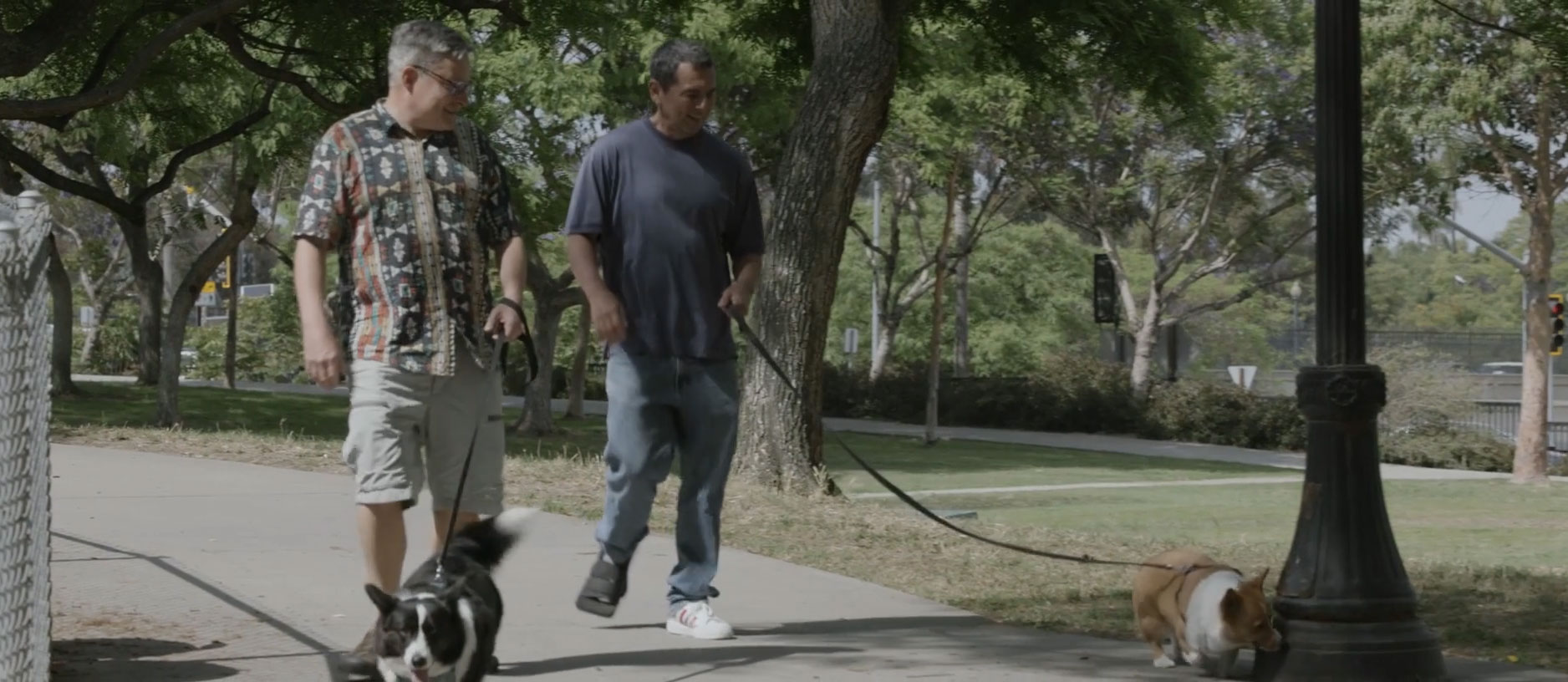
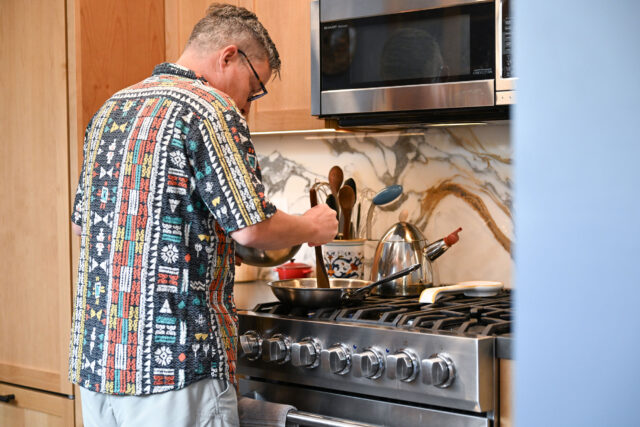
I learned quickly that I had to trust myself and speak up. My life depended on it.
When early concerns weren’t fully addressed, Bob trusted his instincts and sought a second opinion. That decision proved pivotal. With a new care team, he learned his cancer was advanced and aggressive and that acting quickly mattered.
Throughout treatment, Bob leaned on the constant support of his husband, Karl, who helped him navigate the emotional weight of the diagnosis and the many decisions that followed. To cope, Bob focused on daily movement, reflection, and connection, especially with others who understood what it meant to face prostate cancer at a younger age.
Today, Bob is focused on living with intention and gratitude. He mentors newly diagnosed patients, encouraging them to ask questions, advocate for themselves, and take things one step at a time.
Bob’s story is a reminder that behind every diagnosis is a person and that persistence, support, and hope can make all the difference.
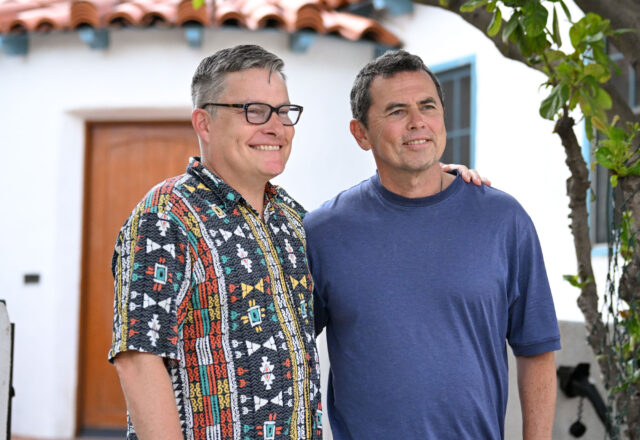
Don’t lose hope. Focus on the next step forward, there are more options today than ever before.
Bob’s story reflects his personal journey with prostate cancer and individual outcomes may vary based on many factors. This content is not intended to provide medical advice. Individuals should speak with their doctor about diagnosis and appropriate treatment options.
When Keith was first diagnosed with prostate cancer, he found himself facing a very different emotional landscape than he had during his battle with oropharyngeal cancer in 2017. This time, uncertainty loomed larger. His doctor’s recommendation to delay treatment left him uneasy. So, he and his wife discussed their options and did what many might hesitate to do. They spoke up to advocate for Keith’s health.
Valuable advice and research
A friend and fellow service member who had been open about his own cancer journey urged Keith to seek second and third opinions, even if it meant traveling out of state. That advice may have been lifesaving. Two specialists reviewed Keith’s biopsy, his age and his family history and delivered a sobering message: “You don’t have a choice. You have an aggressive form of prostate cancer. Active surveillance is not the answer for you.”

With his prostatectomy delayed indefinitely due to pandemic-related issues, Keith dove into research and discovered a study on a new PSMA PET scan that had the potential to eliminate the need for radiation and chemotherapy. This was particularly relieving news for Keith, who had already endured 37 rounds of radiation as part of his oropharyngeal cancer treatment.
A new lease on life
Today, Keith is in his mid-60s. He plays golf, pickleball and bikes up to 30 miles a week. He also works full-time as the Director of Facilities for a U.S. Federal Courthouse, overseeing maintenance and budgets. Life is full and he’s savoring every moment.

My job is just to be his advocate at home and with the doctor, making sure that he is not forgotten about or neglected during his hospital visits and stays.
Keith credits his recovery not only to medical advances but to the unwavering support of his friends and family—especially his wife, Tracy.
Keith has also become a vocal advocate for others dealing with a prostate cancer diagnosis, mentoring and educating fellow veterans newly diagnosed with prostate cancer, encouraging them to seek support groups and speak openly and confidently about their fears. Vulnerability, Keith claims, is key to healing.
Keith’s story is a testament to the power of persistence, community and compassion. It’s a reminder that facing cancer isn’t just about treatment—it’s about connection, courage and the choices that shape our path forward.
Over a decade ago, Dave and Carolyn’s world came crashing down. Dave experienced what looked like a mini stroke; however, his condition was later identified as cerebral amyloid angiopathy (CAA), a potential precursor to Alzheimer’s.
Early signs of symptom onset
The following years weighed heavily on the family, as Dave’s wife, Carolyn, began to pick up on subtle signs of cognitive decline. Though adept at masking his symptoms, Dave began to retreat into himself, reducing his social interaction and limiting the extent of his activities outside of the household. That was when Carolyn had to face her greatest fear, a diagnosis of Alzheimer’s disease, which was slowly stripping Dave of the spark that made him so special.
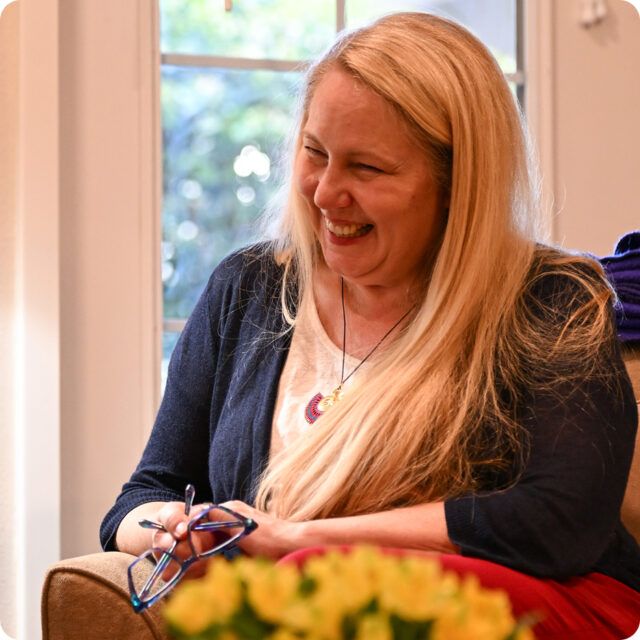
Seeing my parents together in this way has made me appreciate how much they care for each other.
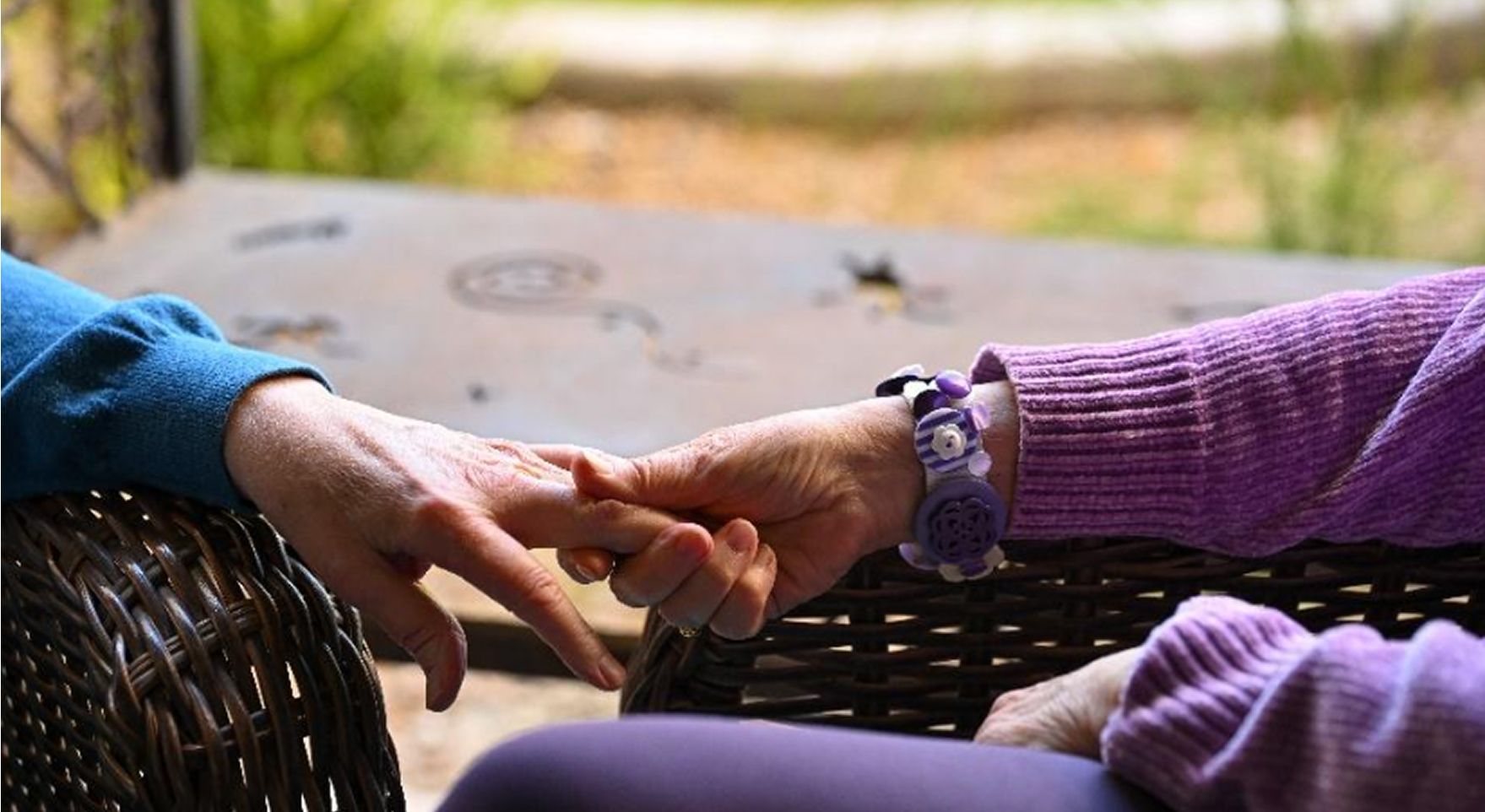
Like the 7+ million Americans living with Alzheimer’s disease, Dave and Carolyn experience both good days and bad. And while moving to an Arizona-based care facility has offered an additional layer of support, the emotional toll on Carolyn has been immense as she grapples with the gradual loss of her husband’s sharp mind and ability to stay calm in situations with the slightest unknowns.
Adapting to a new normal
Amid all that they are faced with, Dave and Carolyn remember to laugh–whether it is during dance classes, catching a glimpse of Dave’s old self or welcoming their children into their new home–laughter and positivity fill the room as frequently as they can. She fulfills her caregiver role with compassion and a smile, fighting to preserve Dave’s legacy while supporting him with love and care. Having this perspective, Carolyn keeps moving forward as Dave’s main caregiver while maintaining a hopeful attitude for her own future and the future of Alzheimer’s care.
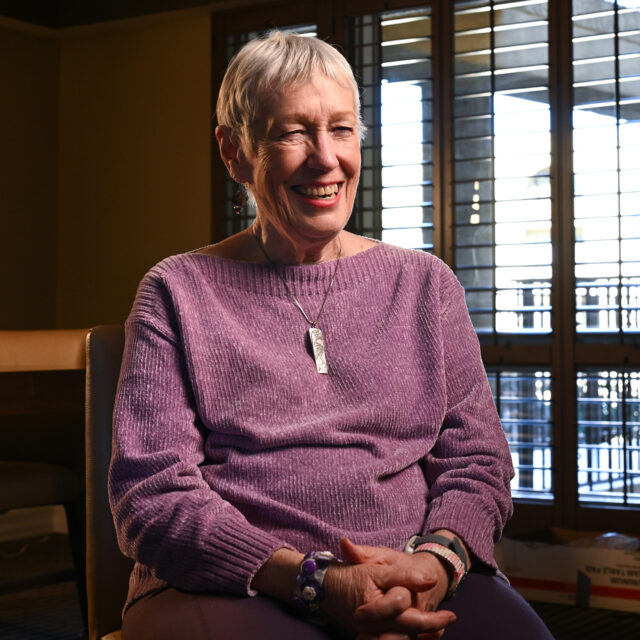
It makes a big difference to see that people care enough and are working hard to help with this disease.
Finding hope in progress
Though much of the brain remains a mystery, scientific advancements over the last decade have given reason to be hopeful. For Carolyn and Dave’s daughter, Cheryl, their call to action is clear—there’s more work to be done in Alzheimer’s.
Learn more about how Lantheus is advancing next-generation radiodiagnostics for Alzheimer’s disease with the goal of enabling earlier detection and ultimately better patient outcomes.